To season a flat-top griddle: scrub off any rust or factory residue, heat the plate until it is very hot, wipe on a very thin coat of oil, and let it smoke until the surface darkens. Repeat that three to five times and the bare steel turns into a dark, slick, rust-resistant cooking surface. Some newer models, like the Weber Slate, ship pre-seasoned, but most bare-steel griddles still need this done before the first cook, and every griddle needs it redone after rust or heavy scrubbing.
| Spec | Blackstone Griddle Seasoning and Cast Iron Conditioner, 15.3 oz 9.2/10 | Camp Chef Cast Iron Conditioner, 6 fl oz 8.8/10 | La Tourangelle Organic Virgin Flaxseed Oil, 8.45 fl oz 8/10 | Blackstone Griddle Cleaning Kit, 8 Pieces 8.9/10 | Weber 16 oz Griddle Squeeze Bottles, 2-Pack 8.4/10 | Blackstone 36-Inch Griddle Cover 8.7/10 |
|---|---|---|---|---|---|---|
| size | 15.3 oz | 6 fl oz | 8.45 fl oz | — | — | — |
| formula | Palm oil, shortening, beeswax, canola and soy oil blend | Plant-based oil blend | — | — | — | — |
| use | Initial seasoning and after-cook upkeep | Seasoning and conditioning | Do-it-yourself seasoning layers | Prep before seasoning and cleanup after cooks | Oil and water application | Protects the seasoned top between cooks |
| works_on | Steel griddle tops and cast iron | Cast iron, carbon steel, griddle tops | — | — | — | — |
| maker | Blackstone | Camp Chef | La Tourangelle | Blackstone | Weber | Blackstone |
| Rating | 9.2/10 | 8.8/10 | 8/10 | 8.9/10 | 8.4/10 | 8.7/10 |
Prices change daily — tap Check Price for the current Amazon price.
Prices change daily — tap Check Price for the current Amazon price.
Why Seasoning Matters on a Steel Griddle
A griddle top is bare carbon or cold-rolled steel. Left alone, it rusts the first time it sees damp air. Seasoning is a thin layer of oil that has been heated past its smoke point until it polymerizes, meaning it bonds to the metal as a hard, slightly glossy film. That film does two jobs: it keeps moisture off the steel and it gives food something slick to release from.
Fall is when bare steel is most at risk. Cooler, damper weather and longer gaps between cooks are how most owners find orange rust spots on a plate that looked fine in August. If your griddle is headed into winter storage, a fresh coat before you cover it is the single most useful maintenance step.
Seasoning is not the same as a coating that wears off in a season. Each cook adds a little more polymer if you oil the plate afterward, so the finish improves with use. Heavy scraping, acidic foods left sitting on the plate and long stretches of storage uncovered are what take it back down.
What You Need Before You Start
Gather everything first, because the plate is hot and you will be working quickly.
- A scraper and scouring pad to remove rust, stuck-on food or factory coating
- Dish soap and hot water for the very first wash of a brand-new plate only
- Paper towels or a lint-free cloth, plus tongs to hold the towel so your hand stays away from the heat
- Seasoning oil or conditioner, either a purpose-made blend or a plain oil such as flaxseed, canola or avocado
- A squeeze bottle to apply oil in a controlled line
- Heat-safe gloves, since the steel gets well over 400°F
Do this outdoors on a dry, mild day. Wind pulls heat off the plate, and a plate that cannot hold temperature will season unevenly.
Step-by-Step: Seasoning a New or Freshly Cleaned Griddle
Step 1: Clean the Plate
On a brand-new griddle, wash the top with warm soapy water, rinse it and dry it right away. This is the one time soap is correct, because the factory coating is a shipping oil rather than seasoning. Dry the plate thoroughly with towels, then run the burners on low for a few minutes to drive off any remaining moisture.
On an older griddle with light rust, scrape and scour until you reach clean gray steel, wipe away the dust, and dry the plate with heat. Do not start oiling over loose flaking rust, since the new layer will only seal the problem in.
Step 2: Heat the Plate
Turn all burners to medium-high and let the plate heat for around 10 to 15 minutes. You are looking for hot enough that a drop of oil sizzles and the steel starts to change color. Manufacturers vary on exact temperatures, so check your owner’s manual for your model, but the pattern is the same across brands.
Step 3: Apply a Very Thin Coat of Oil
Squeeze a small amount of oil on the plate and spread it in a thin, even film with a folded paper towel held in tongs. Cover the whole surface, the edges and the front lip. Then take a clean towel and wipe again as if you are trying to remove all of it. What is left behind is the right amount.
Thin is the whole technique. Thick coats do not polymerize evenly, and they are what produce a sticky, gummy, flaking surface that peels in sheets.
Step 4: Let It Smoke
Leave the burners on and let the oil smoke. The plate will go from light brown, to amber, to dark brown as the oil bonds. This usually takes 10 to 20 minutes per coat. Some smoke is normal, but if the plate is dripping with oil or you see pooling, wipe it back.
Step 5: Repeat Three to Five Times
Turn the burners off or down, let the plate cool slightly, and repeat steps 3 and 4. Three layers produces a workable finish, and five produces a deeper, darker one. Stop when the surface is an even bronze to black with a uniform sheen. Patchy spots are normal at first and fill in with cooking.
Step 6: Cook Something Fatty
Bacon, sausage or smash burgers are a good first cook. The rendered fat adds more seasoning, and the food shows you how well the surface releases. Wipe the plate and apply one last thin coat of oil before it cools.
Choosing a Seasoning Oil
There are two approaches, and both work if you keep the coats thin.
Purpose-made conditioners. Griddle conditioners are paste or oil blends sold for exactly this job. The Blackstone formula is a blend of palm oil, shortening, beeswax, canola oil and soy oil, according to the company. These are easy to spread thinly and are the lowest-effort option for most owners.
Plain cooking oils. Flaxseed, canola, grapeseed and avocado oil all season a griddle. Flaxseed has a loyal following among cast-iron cooks for forming a hard layer, but owner reports also describe it flaking when it is applied too heavily. Canola and avocado are more forgiving and cheaper to buy in bulk. Whatever you choose, avoid butter and olive oil for the seasoning layers, since both burn and turn bitter at the temperatures you need.
Do not mix too many oils in one session. Pick one and finish the layers with it.
Keeping the Seasoning Going
Seasoning is maintenance, not a one-time project. A short routine after each cook protects the finish:
- While the plate is still warm, scrape food residue into the grease channel with a flat scraper.
- Squirt a little water on the plate to steam off stuck bits, then scrape again. Only do this while the plate is warm; cold water on a very hot plate can warp thin steel.
- Wipe the plate down with a paper towel.
- Apply a very thin coat of oil and wipe it almost dry.
- Cover the griddle once it has cooled.
Skip soap on a seasoned plate, because it can strip the layer you built. Avoid leaving acidic foods like tomato sauce, citrus or vinegar-based marinades sitting on the plate, since acid eats into the finish.
Fixing Common Seasoning Problems
Sticky or tacky surface. The coat was too thick. Heat the plate until the tackiness cooks off, then scrape lightly and wipe it down. Next time, wipe the oil back until it looks almost dry.
Flaking black bits. This is polymerized oil lifting off, often from an overly thick layer. Scrape the loose flakes away, wipe the plate and build two or three thin layers over the top.
Orange rust spots. Scrub with a scouring pad or pumice stone until you reach bare steel, wipe, heat to dry, and re-season those areas. For a plate covered in rust, you may need to strip it completely and start over.
Uneven color or blotches. Usually from hot spots or a plate that was not fully heated. This is cosmetic. Keep cooking on it, oiling after each cook, and it evens out.
Food sticks. The plate is either not hot enough, not oiled enough before cooking, or the seasoning is thin. Preheat longer and add another layer or two.
Our Picks for Seasoning and Upkeep
These are the products we compared for seasoning a griddle and keeping the finish. We ranked them on what the manufacturer says each is built for, the spec sheet and what verified owners report in reviews.
1. Blackstone Griddle Seasoning and Cast Iron Conditioner, 15.3 oz — Best Overall
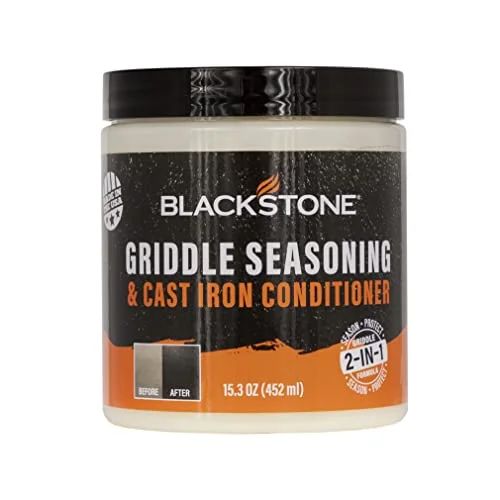
The simplest route for most owners is a conditioner made for the job. The larger tin gives you enough for a full multi-layer seasoning and months of upkeep. It spreads thinly with a paper towel, which keeps you on the right side of the thin-coat rule.
Blackstone Griddle Seasoning and Cast Iron Conditioner, 15.3 oz
2. Camp Chef Cast Iron Conditioner, 6 fl oz — Best Alternative
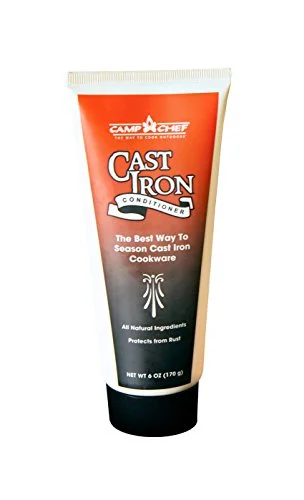
A plant-based oil blend that works across griddle plates, cast-iron skillets and carbon-steel pans. The small bottle is easy to keep near the griddle for the quick post-cook coat, though you will want two for a full rebuild of a large plate.
3. La Tourangelle Organic Virgin Flaxseed Oil — Best DIY Oil
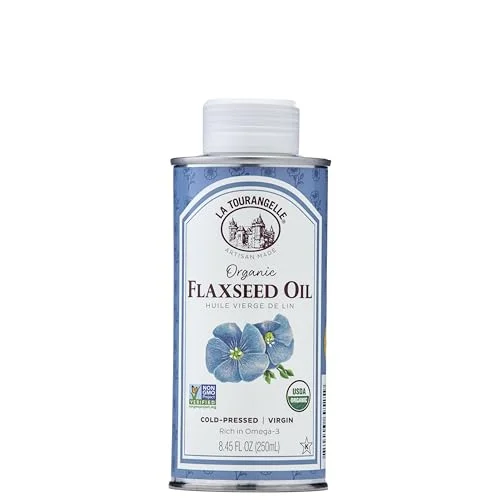
If you would rather season with a single-ingredient oil, flaxseed is the classic choice for building a hard layer. Store it cool, keep the bottle small and keep your coats thin, since heavy application is where flaking comes from.
4. Blackstone Griddle Cleaning Kit, 8 Pieces — Best Cleaning Kit
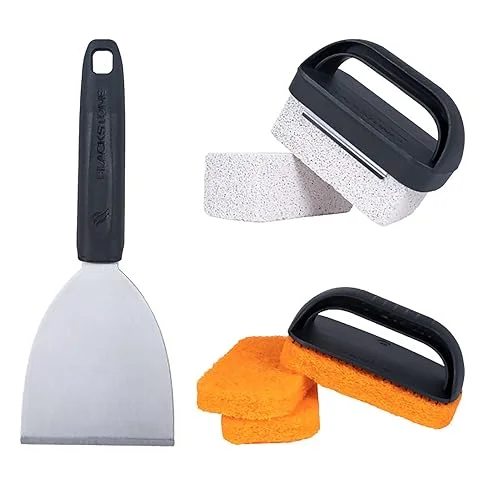
A scraper, scouring pad tool and pumice stone tool in one set. This is the kit to reach for before a re-season, when you need to take the plate back to clean steel, and for the daily scrape afterward. Our guide to cleaning a grill covers grate cleaning if you also run a standard grill.
5. Weber 16 oz Griddle Squeeze Bottles, 2-Pack — Best for Control
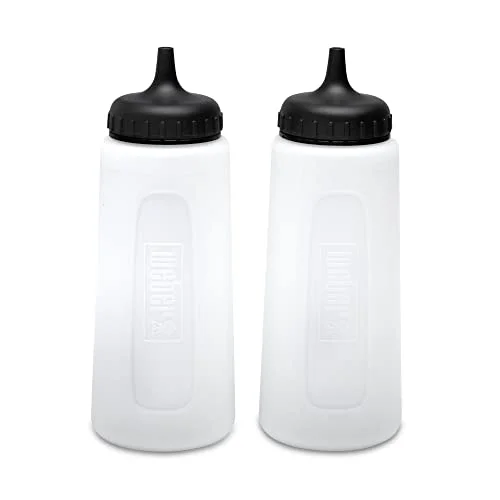
One bottle for oil, one for water. Putting down a thin line of oil is easier than pouring from a tin, and a second bottle makes the steam-clean step after each cook quick.
6. Blackstone 36-Inch Griddle Cover — Best Protection
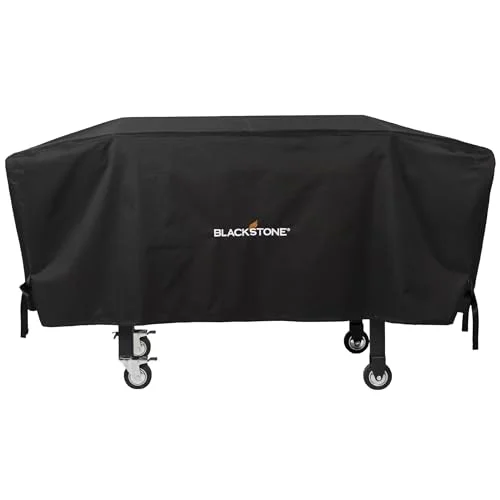
A dry plate holds its seasoning longer. A fitted, water-resistant cover is the cheapest insurance for the finish you just built, and it matters most through winter. If your griddle is a different size, see our grill cover roundup for other fits.
Common Seasoning Mistakes
- Oil coats that are too thick. The most frequent cause of sticky, flaking griddles. Wipe it until it looks almost dry.
- Skipping the heat. Oil that is not smoking has not bonded. Let each layer fully darken.
- Using olive oil or butter. Both burn off bitter and leave a weak finish.
- Washing with soap after seasoning. Use water, a scraper and a towel instead.
- Storing the plate bare and wet. Oil it and cover it before storage.
- Cold water on a very hot plate. Let it cool a little first, since sudden temperature swings stress thin steel.
- Rushing the cure. Each layer needs to finish smoking before you add the next.
Which Griddle Should You Season?
If you are still shopping for a griddle, our flat-top griddle roundup ranks five models, and some arrive pre-seasoned. A pre-seasoned plate still benefits from the upkeep routine above. For more tools to pair with it, see our grill accessories roundup.
FAQ
How do you season a flat-top griddle for the first time?
Wash a new plate with soap and water, dry it with heat, then apply a very thin coat of oil and let it smoke until it darkens. Repeat three to five times. Check your owner’s manual for the exact temperature on your model.
What is the best oil to season a griddle?
Purpose-made griddle conditioners are the easiest choice. Plain flaxseed, canola, grapeseed or avocado oil also work if applied thinly. Avoid butter and olive oil, which burn and turn bitter at seasoning temperatures.
How many layers of seasoning does a griddle need?
Three layers gives a workable surface and five gives a darker, more durable one. Thin layers matter more than a high count, and cooking fatty foods adds more over time.
Why is my griddle sticky after seasoning?
The oil coat was too thick or was not heated long enough to bond. Heat the plate until the tackiness cooks off, scrape lightly, and apply thinner coats next time.
Can I use soap on a seasoned griddle?
Avoid it. Soap can strip the seasoning layer. Use hot water, a scraper and paper towels, then oil the plate. Soap is fine for the first wash of a brand-new plate to remove factory residue.
How do I get rust off a griddle?
Scrub with a scouring pad or pumice stone down to bare steel, wipe, dry the plate with heat, and re-season the area. A heavily rusted plate may need a full strip and a new set of layers.
Does a pre-seasoned griddle still need seasoning?
It is ready to cook on, but you should still oil it after each cook, and add layers over time. Pre-seasoning gets you started rather than replacing the maintenance routine.
The Bottom Line
Season in thin coats, heat each one until it smokes and darkens, and repeat three to five times. For most owners the Blackstone Griddle Seasoning and Cast Iron Conditioner is the easiest way to do it, the Camp Chef Cast Iron Conditioner is a good smaller-bottle alternative, and the Blackstone Griddle Cleaning Kit handles the prep and rust removal. Finish the job with a fitted cover so the finish survives winter.