Proper care extends outdoor furniture life from years to decades. This guide covers cleaning techniques, maintenance schedules, and product recommendations for every common patio furniture material. Whether dealing with seasonal grime, mold buildup, or years of neglect, the right approach restores furniture without causing damage.
| Spec | Simple Green Outdoor Cleaner 9.1/10 | Star brite Teak Cleaner and Brightener Kit 9/10 | 303 Fabric Guard 9.2/10 | Mothers Mag & Aluminum Polish 8.9/10 | Wet & Forget Outdoor Cleaner 8.7/10 |
|---|---|---|---|---|---|
| size | 32 oz concentrate (makes 16 gallons) | — | 16 oz spray | 10 oz | 64 oz concentrate (makes 6 gallons) |
| safe_for | All outdoor surfaces | Teak, cedar, mahogany, other hardwoods | Outdoor fabrics, canvas, Sunbrella | — | Most outdoor surfaces |
| biodegradable | Yes | — | — | — | — |
| application | Spray, brush, rinse | Apply, scrub, rinse, brighten | — | Apply, buff, wipe clean | — |
| dilution | 1:30 for general cleaning | — | — | — | — |
| scent | Fresh clean scent | — | — | — | — |
| Rating | 9.1/10 | 9/10 | 9.2/10 | 8.9/10 | 8.7/10 |
Prices change daily — tap Check Price for the current Amazon price.
Prices change daily — tap Check Price for the current Amazon price.
Essential Cleaning Supplies
Before starting, gather these basics:
- Soft-bristle brush — for scrubbing without scratching
- Microfiber cloths — for wiping and drying
- Garden hose with spray nozzle — for rinsing
- Bucket — for mixing cleaning solutions
- Spray bottle — for applying cleaners
- Protective gloves — for handling cleaners
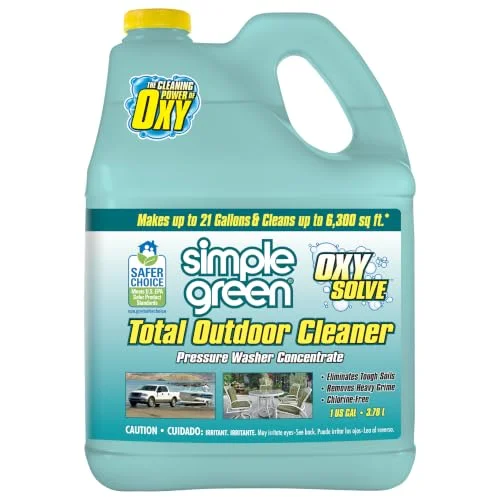
Simple Green Outdoor Cleaner works safely on virtually all outdoor furniture materials. One 32-ounce bottle makes 16 gallons of cleaning solution. Dilute 1:30 for general cleaning, stronger for heavy grime.
Cleaning by Material Type
Wood Furniture (Teak, Acacia, Cedar, Eucalyptus)
Wood requires careful cleaning to avoid damage while removing grime and weathering.
Routine Cleaning (Monthly)
- Brush off loose debris and leaves
- Mix mild dish soap with warm water
- Scrub with soft-bristle brush following wood grain
- Rinse thoroughly with garden hose
- Allow to dry completely before covering or treating
Deep Cleaning (Annually or when gray/stained)
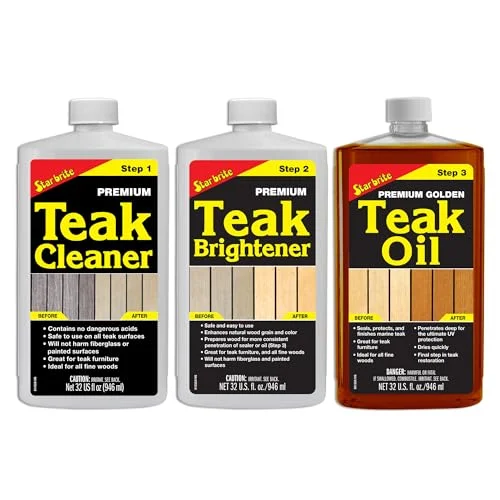
The Star brite Teak Cleaner and Brightener Kit handles deep cleaning for teak and similar hardwoods. The two-step system first removes grime and gray weathering, then brightens wood to original honey color.
- Apply cleaner per instructions
- Scrub with soft brush following grain
- Rinse thoroughly
- Apply brightener
- Rinse again and let dry
- Apply teak oil or sealer if desired
What to Avoid
- Pressure washers (damage wood fibers, raise grain)
- Bleach (can damage and discolor wood)
- Abrasive pads (scratch surface)
- Leaving wet (promotes mold and warping)
Aluminum Furniture
Aluminum is low-maintenance but benefits from regular cleaning to maintain appearance.
Routine Cleaning
- Rinse with water to remove dust and debris
- Mix mild soap with warm water
- Wipe with soft cloth or sponge
- Rinse thoroughly
- Dry with clean cloth to prevent water spots
For Oxidized Bare Aluminum
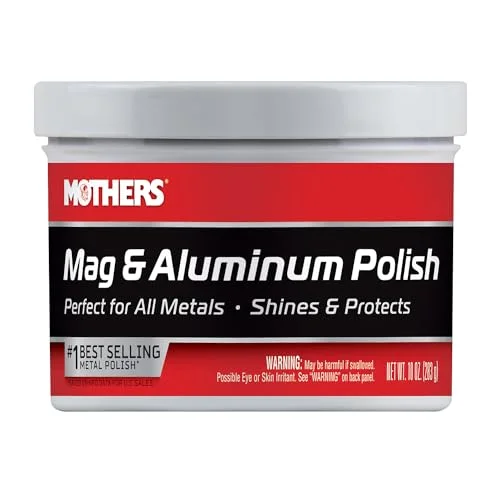
Bare (uncoated) aluminum develops a chalky white oxidation over time. Mothers Mag & Aluminum Polish removes this oxidation and restores shine. Apply with soft cloth, buff to shine, wipe clean. Note: Do not use on powder-coated aluminum — the polish is for bare metal only.
For Powder-Coated Aluminum
Powder coating protects aluminum and maintains color. Clean with soap and water only. If coating chips, touch up with matching spray paint to prevent exposed aluminum from oxidizing.
What to Avoid
- Abrasive cleaners (scratch coating)
- Steel wool or stiff brushes (damage surface)
- Acidic cleaners (can damage aluminum)
Steel and Wrought Iron Furniture
Steel requires more attention due to rust potential.
Routine Cleaning
- Brush off debris
- Wash with mild soap and water
- Rinse and dry immediately — standing water promotes rust
- Inspect for rust spots or coating damage
Treating Rust
- Sand rusted areas to bare metal with fine sandpaper
- Wipe clean of dust
- Apply rust-converting primer
- Touch up with matching outdoor paint
- Consider automotive wax for added protection
Preventing Rust
- Apply automotive wax to painted surfaces annually
- Touch up chips immediately
- Store indoors during rainy seasons if possible
- Use furniture covers in wet climates
Wicker Furniture (PE Resin and Natural)
Wicker’s woven structure traps debris, requiring specific cleaning approaches.
PE Resin Wicker (All-Weather)
- Vacuum or brush out debris from weave
- Hose down thoroughly
- Mix mild soap with water
- Scrub with soft brush, working into weave crevices
- Rinse thoroughly — ensure no soap residue in weave
- Allow to dry completely
Natural Wicker (Rattan, Willow)
Natural wicker should be under cover or indoors. If damp:
- Wipe with slightly damp cloth only
- Dry immediately with clean cloth
- Allow to air dry completely
- Never saturate with water
What to Avoid
- Pressure washers (damage weave, loosen strands)
- Excessive water on natural wicker (causes rot)
- Harsh chemicals (degrade both PE and natural fibers)
HDPE / Polywood Furniture
The easiest material to clean — designed for minimal maintenance.
Routine Cleaning
- Rinse with hose to remove loose debris
- Mix mild soap with warm water
- Wipe with soft cloth or brush
- Rinse thoroughly
- Air dry
For Stubborn Stains
Mix 1/3 cup bleach per gallon of water. Apply to stain, let sit 5-10 minutes, scrub with soft brush, rinse thoroughly. HDPE handles bleach well unlike most materials.
What to Avoid
- Pressure washers (can damage surface texture)
- Harsh chemicals unnecessary — mild soap suffices
Plastic and Resin Furniture
Budget plastic requires care to avoid accelerating degradation.
Routine Cleaning
- Rinse debris
- Wash with mild soap and water
- Rinse thoroughly
- Dry to prevent water spots
For Stains and Fading
Mix baking soda with water to form paste. Apply to stains, let sit 15 minutes, scrub gently, rinse. For overall dullness, plastic restorer products can temporarily improve appearance.
What to Avoid
- Harsh chemicals (accelerate plastic degradation)
- Abrasive scrubbing (scratches surface)
- Leaving in direct sun when wet (can cause warping)
Cleaning Cushions and Fabrics
Fabric care depends on cushion construction and fabric type.
Removable Covers
If covers have zippers, remove and check care label:
- Machine washable: Cold water, gentle cycle, mild detergent. Air dry — never machine dry.
- Hand wash only: Gentle scrubbing in mild soap solution, rinse thoroughly, air dry.
Non-Removable Cushions
- Brush off loose debris
- Mix mild soap with warm water
- Apply with soft brush or sponge
- Scrub gently in circular motions
- Rinse thoroughly with hose
- Stand cushions on edge to drain
- Dry completely in sun before storing or covering
Mildew Removal
Mix 1 cup white vinegar + 1 cup water in spray bottle. Spray affected areas generously. Let sit 15-20 minutes. Scrub with soft brush. Rinse thoroughly. Dry in direct sun — UV helps kill remaining spores.
Fabric Protection
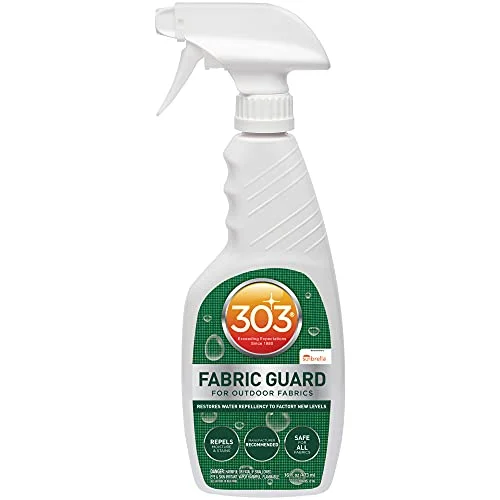
303 Fabric Guard restores water repellency and UV protection to outdoor fabrics. Clean cushions first, allow to dry completely, then apply in light even coats. Reapply after washing or seasonally.
Dealing with Specific Problems
Mold and Mildew
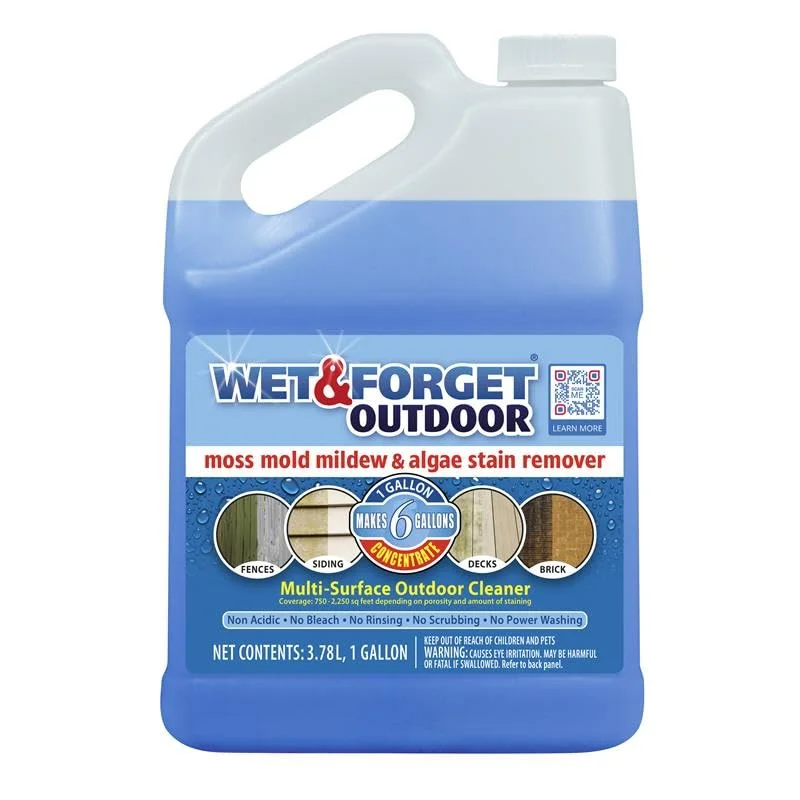
Wet & Forget Outdoor Cleaner
Wet & Forget Outdoor Cleaner kills mold, mildew, and algae without scrubbing. Apply, let rain or water exposure activate over following weeks, watch growth disappear. Ideal for large areas or annual preventive treatment.
For immediate cleaning: Mix 1 cup bleach per gallon water (except for wood or fabric). Apply, let sit 10 minutes, scrub, rinse thoroughly.
Bird Droppings
Remove promptly — droppings are acidic and can stain or damage finishes.
- Soak with water to soften
- Wipe away with damp cloth
- Clean area with appropriate material cleaner
- Rinse
Pollen Buildup
Common during spring. Rinse furniture thoroughly with hose before cleaning — scrubbing dry pollen grinds it into surfaces.
Sap and Sticky Residue
Apply rubbing alcohol or mineral spirits to soft cloth. Dab sticky areas — do not rub excessively. Wipe clean. Follow with normal cleaning routine.
Rust Stains (on other surfaces)
If rust from one piece stains another (common with chair feet on decks):
- Make paste of lemon juice and salt
- Apply to rust stain
- Let sit 30-60 minutes
- Scrub with soft brush
- Rinse thoroughly
Maintenance Schedule
Weekly
- Brush off debris and leaves
- Wipe down high-use surfaces
- Check for bird droppings and remove
Monthly
- Full wipe-down with appropriate cleaner
- Inspect for damage, rust, loose hardware
- Clean cushions if visibly dirty
Seasonally (Spring and Fall)
- Deep clean all furniture
- Treat wood (oil or seal if applicable)
- Apply fabric protection
- Tighten all hardware
- Touch up any rust spots or coating damage
Annually
- Complete inspection and maintenance
- Deep clean all cushions
- Apply protective treatments
- Replace worn hardware
- Consider professional restoration for heavily weathered pieces
FAQ
How often should I clean outdoor furniture?
Monthly wipe-downs maintain appearance and prevent buildup. Deep cleaning once or twice per season (spring and fall) handles accumulated grime. Clean spills and bird droppings immediately to prevent staining.
Can I use a pressure washer on patio furniture?
Generally, no. Pressure washers damage most furniture materials. They raise wood grain, damage wicker weave, chip coatings, and can embed dirt rather than removing it. Use garden hose pressure instead.
What is the best cleaner for outdoor furniture?
For general cleaning across materials, diluted Simple Green or mild dish soap handles most needs. For specific materials, use appropriate specialty cleaners — teak cleaner for teak, aluminum polish for bare aluminum, etc.
How do I prevent mildew on cushions?
Dry cushions completely before storing or covering. Store in breathable containers, not sealed plastic. Ensure adequate airflow around stored cushions. Apply fabric protectant to repel moisture. Store indoors during extended wet periods.
Should I cover furniture when not in use?
Covers extend furniture life by protecting from UV, rain, and debris. Use breathable covers with vents to prevent condensation. Remove covers periodically to allow moisture escape.
The Bottom Line
Consistent cleaning and appropriate maintenance products extend outdoor furniture life significantly. Match cleaning methods to materials — gentle approaches for sensitive surfaces, targeted treatments for specific problems. The time invested in regular care saves the cost of premature furniture replacement.
Looking for furniture built for easy care? See Outdoor Furniture Materials Explained for low-maintenance options. Preparing for winter? Read How to Protect Outdoor Furniture Through Winter. For complete outdoor setup guidance, explore our Best Patio Furniture guide.