The furnace blower goes quiet at 2 a.m., and by the next afternoon the whole house is drifting toward the temperature outside. Heating the entire house is not realistic. Keeping one small room livable for two or three days is: shrink the space you are trying to warm, stop heat leaving through the windows, give every person real insulation, and add indoor-rated heat only if you also add a battery carbon monoxide alarm. That is the plan this guide follows, with a short list of gear for each step.
The situation we are planning for is an ice storm or deep cold snap that takes the power out for two to three days. It is written for households in houses and apartments, with kids, pets or an older relative in the mix. Nothing here requires a generator or a special skill, and most of it costs little. For the wider supply list, see our week without power checklist.
Quick Picks
- Best Budget: the NICETOWN thermal curtains. Two lined panels for a window, and the cheapest single change on the list.
- Best Overall: the TETON 0-degree sleeping bag. Insulation around the person beats trying to heat air.
- Best Value: the Duck window film kit, for sealing the gaps that curtains leave.
- Best Premium: the Mr. Heater Big Buddy, the indoor-rated heater for a large room or a household that wants a higher output option.
- Editor’s Pick: the Kidde battery carbon monoxide alarm, which belongs in the room with any fuel-burning heater.
Step 1: Pick the room and shrink the house
The first decision costs nothing. Choose one room, ideally the smallest one that fits everyone, with the fewest exterior walls and the smallest window area. Interior bedrooms and bathrooms with no windows hold heat well. A big open living room with a vaulted ceiling is the hardest to keep warm, because warm air rises away from you.
Close the door to that room and any others you are not using. Pull the family into it during the evening so that body heat contributes, since each person gives off a surprising amount of warmth in a small, closed space. A door to the hallway is your first insulation layer. Roll a towel along the bottom of it to stop air sliding under.
If you have pets, bring them into the same room. They will also be happier, and animals that can reach a cold garage or porch on their own are better kept inside with you.
Keep the plan for the room written on a card by the door: where the flashlights are, where the spare batteries are, where the blankets go. A panicked 2 a.m. search is not how anyone wants to start day one.
Step 2: Stop heat leaving through the windows
Glass is where most of a room’s warmth escapes. Two inexpensive layers handle most of it.
Thermal curtains for the first layer
Thermal curtains have a dense lining that traps a layer of still air between you and the glass. Hang them before winter, close them at dusk, and open them on sunny afternoons to let the sun warm the room. Cover the windows in the room you chose, and tuck any gap at the bottom with a rolled towel.
The NICETOWN thermal insulated blackout curtains are our budget anchor because they are one of the more popular lined sets on Amazon and cost very little for two panels. They run short for floor-length windows, so measure your window and rod height first. If your window runs to the floor, pick a longer size in the same line. They do not stop air leaking through the frame; they slow heat loss through the glass itself.
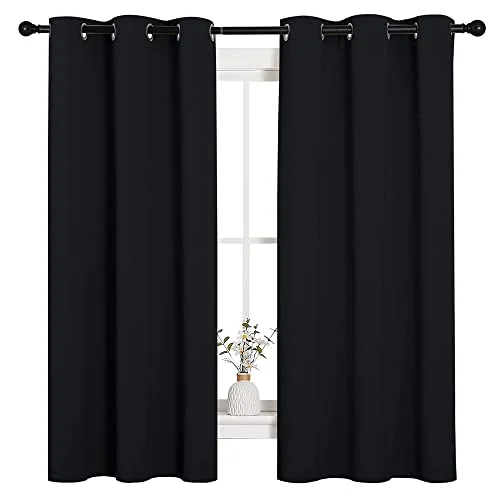
NICETOWN Black Blackout Curtains for Bedroom 42" wide x 63" Long 2 Panels, Thermal Insulated
Window film for the second layer
Indoor shrink film is clear plastic taped to the inside of the window frame and tightened with a hair dryer. It traps a thin layer of air against the glass and stops the draft that comes through the frame joints. It does not need power during the outage, but you do have to install it beforehand, because a hair dryer is no use after the lights go out.
The Duck Brand Indoor 10-Window Shrink Film Insulator Kit covers up to ten standard-size windows, according to the manufacturer. That is enough for a small house. Apply it to the windows in your chosen room first and any others you can spare. You can stack it with the curtains, and you give up the ability to open that window for the season, so leave one window unfilmed if you need an escape route or ventilation.
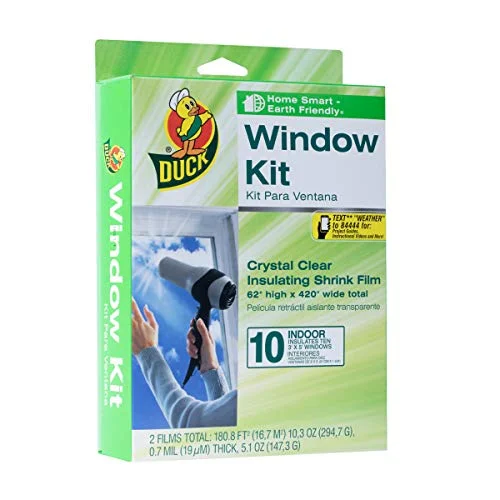
Duck Brand Indoor 10-Window Shrink Film Insulator Kit, 62-Inch x 420-Inch
If you want light after dark without hurting your battery budget, flameless LED lanterns are the gentle option, and our patio lantern roundup covers several that run on batteries. Check each one’s runtime listing before relying on it overnight, and keep spare batteries with them.
Step 3: Insulate the people, not the air
Heating a room is expensive. Insulating a body is cheap. The most efficient move once the power is out is to put each person inside a layer of insulation that holds their own heat.
Ready.gov advises staying dry and wrapped up in warm blankets, including the head and neck, and wearing layers of warm clothing. Wool or synthetic base layers, a hat, thick socks and a dry top layer do more than any appliance. Cotton damp from sweat cools you quickly, so change out of anything wet.
The sleeping bag you already needed
A cold-weather sleeping bag is the single most effective item in this guide for the night hours. The TETON Sports Celsius XXL 0-degree sleeping bag is a roomy rectangular design that leaves space for layers, a hat and a water bottle, and its listed rating is intended for camping cold. Rated temperatures describe survival or comfort at the bag’s limit, not a promise about your room, so use it as a level of insulation, not a guarantee. You can also unzip it and use it as a quilt over a regular blanket.
One bag per person is ideal. For kids, a bag sized for an adult is bulky; layer a smaller sleeping bag or heavy blankets and stay close to them. Babies and very small children are a case for talking to your pediatrician before the winter, not during a storm.
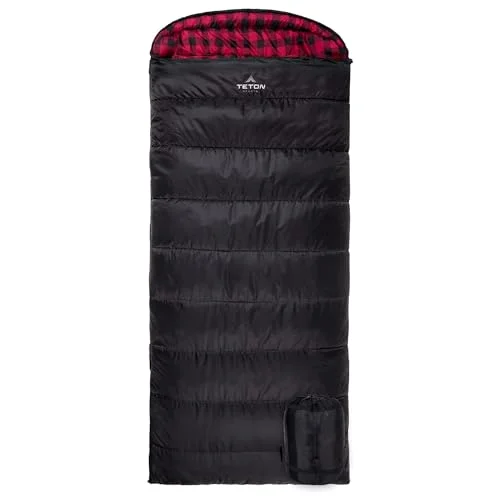
TETON Sports Celsius XXL, 0 Degree Sleeping Bag with Stuff Sack
Mylar blankets as a backup layer
Mylar blankets are thin foil sheets that reflect body heat. The Primacare HB-10 pack includes ten 84 by 52 inch blankets, which is enough for a car kit, a go-bag and spares for the house. Wrap one around yourself underneath a regular blanket or sleeping bag, foil side toward you, to cut heat loss. They crinkle and do not breathe, so they are a layer, not a bed. They also work as a reflective layer taped over a window pane on the coldest night.
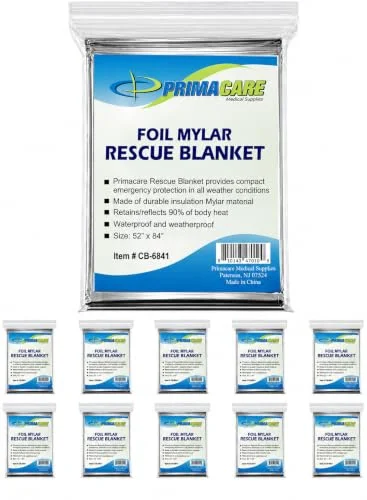
Primacare HB-10 Emergency Mylar Thermal Blankets, 10 Pack, 84" x 52", Silver
Put a pad under the sleeper too. A camping foam pad or a folded blanket under the bag stops the floor from pulling warmth out of your body. Cold floors are a common reason people wake up shivering even with a good bag on top.
Step 4: Add indoor-rated heat, carefully
Some households want a heat source on the coldest evening, or have an older relative who is uncomfortable at the temperature the room will settle at. This is the only part of the plan that involves fuel, so the rules are strict.
Only use a heater that the manufacturer rates for indoor use, and that has an oxygen-depletion sensor. That means a heater from a line such as Mr. Heater’s Buddy family, used exactly as the manual says: on a flat, hard surface, with clear space around it and the ventilation the label requires, usually a cracked window or door. Never leave it running while everyone is asleep unless the manual explicitly allows it.
The Mr. Heater Portable Big Buddy is our upgrade pick. The extra money buys a higher top output and room coverage: the manufacturer lists a coverage of up to about 450 square feet and three heat settings, against smaller Buddy models. It also accepts a hose to a larger tank, so you are not stuck running through small cylinders in a hurry. If your chosen room is a small bedroom, you do not need that much heater, and our indoor-rated propane heater roundup compares smaller models.
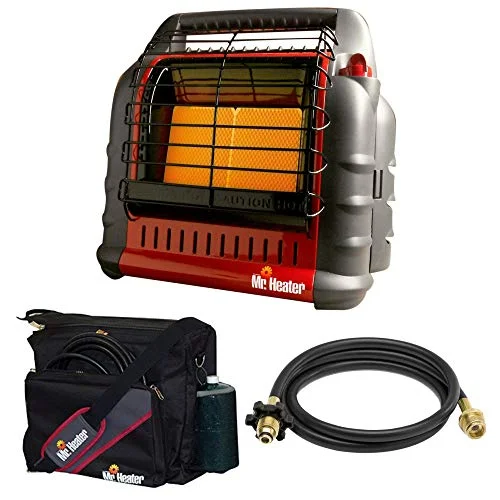
Mr. Heater Portable Big Buddy Propane Heater (bundle with 10-foot propane hose assembly)
The carbon monoxide alarm is not optional
Carbon monoxide is a colorless, odorless gas, and Ready.gov says it can kill you, your family and pets. Ready.gov also advises installing working carbon monoxide detectors on every level of your home. For any fuel-burning heater, put a battery-backed carbon monoxide alarm in the same room, and make sure one is outside the sleeping area. Plug-in alarms without a battery backup stop working when the power fails.
The Kidde AA battery-powered CO detector keeps working with the outlet dead. Put in fresh batteries at the start of winter, press the test button on the day you set the heater up, and check the replacement date printed on the unit. If the alarm sounds, switch the heater off, get everyone outside to fresh air, and call for help.
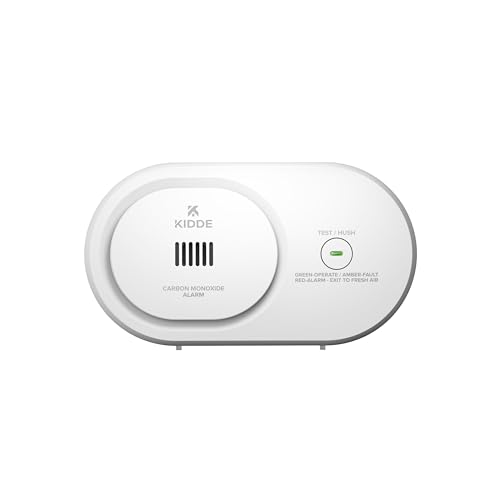
Kidde Carbon Monoxide Detector, AA Battery-Powered, COB
What never belongs in the room
Ready.gov says never to use a gas stovetop or oven to heat your home. Do not bring in a charcoal grill, camp stove, fire pit or patio heater either. These are designed for outdoor use and put out carbon monoxide that builds up indoors. Generators belong outdoors, away from windows, doors and attached garages, at the distance their label gives. If you want warmth outside during daylight, say a few minutes on a covered but open space, an outdoor patio heater is built for outdoors only. Keep it outdoors, and do not move it near doors or windows.
Step 5: Set up the room before the cold arrives
Most of this guide works best if you do it on a calm weekend in the fall. A short sequence:
- Hang the thermal curtains and apply the window film on the room’s windows.
- Put the sleeping bags, blankets, hats and thick socks in one bin in that room or a hall closet.
- Check the CO alarm, install fresh batteries and note the date.
- If you own a heater, read the manual, run it once outdoors, and store the fuel as the label says.
- Pack the Mylar blankets into a car kit and a go-bag.
- Put flashlights and lanterns where you can reach them in the dark.
Check on neighbors, especially anyone older who lives alone. If it is too cold to stay safe, Ready.gov suggests checking with local officials about heating locations open near you.
Medications and medical devices
Keep medications within the temperature range on the label, and ask your pharmacist if you are unsure how a cold house affects them. If someone relies on a CPAP, an oxygen concentrator or another powered medical device, check the wattage in the device manual and ask your supplier about backup power well before winter.
Common mistakes
- Heating the whole house. Shrinking to one room gives you more comfort from less heat.
- Using a stove, oven, grill or patio heater for indoor warmth. None of them belongs indoors, ever.
- Skipping the CO alarm, or buying one that plugs into the wall. Choose AA batteries.
- Installing window film during the outage. It needs a hair dryer and tape, so do it earlier.
- Relying on a heater all night. Insulation holds heat while you sleep; the heater is for the evening.
- Forgetting the floor. A pad under a sleeping bag matters as much as the blanket above.
- Sealing every window. Keep one operable window for the ventilation the heater manual requires.
Comparison
| Spec | NICETOWN Black Blackout Curtains for Bedroom 42" wide x 63" Long 2 Panels, Thermal Insulated 8.4/10 | Duck Brand Indoor 10-Window Shrink Film Insulator Kit, 62-Inch x 420-Inch 8.2/10 | Primacare HB-10 Emergency Mylar Thermal Blankets, 10 Pack, 84" x 52", Silver 7.9/10 | TETON Sports Celsius XXL, 0 Degree Sleeping Bag with Stuff Sack 8.6/10 | Mr. Heater Portable Big Buddy Propane Heater (bundle with 10-foot propane hose assembly) 8.8/10 | Kidde Carbon Monoxide Detector, AA Battery-Powered, COB 9/10 |
|---|---|---|---|---|---|---|
| Panels | 2 | — | — | — | — | — |
| Size | 42 in wide x 63 in long each | — | 84 in x 52 in each | XXL, roomy rectangular cut | — | — |
| Construction | Thermal insulated, blackout-lined (per listing) | — | — | — | — | — |
| Hanging | Grommet top | — | — | — | — | — |
| Rating | 8.4/10 | 8.2/10 | 7.9/10 | 8.6/10 | 8.8/10 | 9/10 |
Prices change daily — tap Check Price for the current Amazon price.
Prices change daily — tap Check Price for the current Amazon price.
FAQ
What is the best way to keep one room warm without power?
Pick the smallest interior room, close the door, cover the windows with thermal curtains or film, and put everyone in sleeping bags or layers. Body heat in a small closed space does more than you expect.
Are thermal curtains worth it?
Yes, for a budget that is small. They slow heat loss through glass and also block drafts around the glass. They work best with a second layer such as window film, since neither stops air leaking around the frame on its own.
Can I use a propane heater indoors?
Only one the manufacturer rates for indoor use, with an oxygen-depletion sensor, and only as the manual directs, with the ventilation it requires. Put a battery-backed carbon monoxide alarm in the same room. Our indoor-rated heater roundup explains the models.
Can I use my oven or gas stove to warm the kitchen?
No. Ready.gov says never to use a gas stovetop or oven to heat your home. Grills, camp stoves and patio heaters are outdoors-only too.
Are Mylar blankets enough on their own?
They are a backup layer. They reflect body heat but do not breathe, so wear them under a regular blanket or sleeping bag for short stretches, not as your only bedding for a night.
What should I do about kids, pets and older relatives?
Keep them in the chosen room with extra layers, and check on them often. For infants and anyone with a medical condition, ask your doctor ahead of winter about what is safe in a cold house.
The Bottom Line
Keep one room warm by shrinking the space, sealing the windows and insulating each person. Start with the NICETOWN curtains as the budget fix, add the Duck window film for the frame gaps, and give every person a layer like the TETON sleeping bag. If you want heat on the coldest night, the Mr. Heater Big Buddy is the premium pick, and it only belongs in the room with the Kidde battery CO alarm running. Do the setup on a calm weekend, and a two-day outage becomes a long, quiet evening.